Source Embroidered Kangaroo Pocket Custom Hoodie for Retail
Source an embroidered kangaroo pocket custom hoodie from 30 verified listings. Compare fabric weights, printing methods, and OEM services to find the right fit for your brand's seasonal collection needs; compare the available evidence and request quotations based on your requirements.
Key considerations
Products List


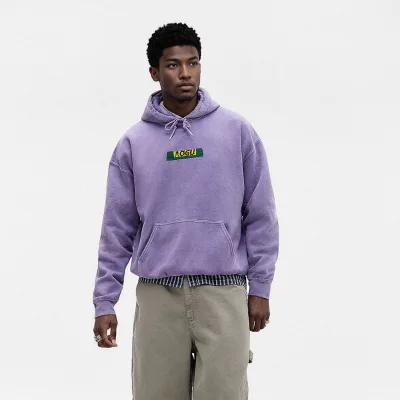
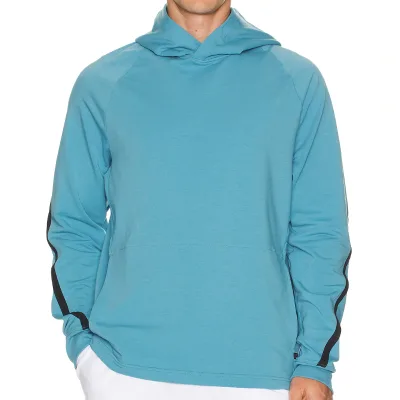


Comprehensive Sourcing Guide
Embroidered Kangaroo Pocket Custom Hoodie Sourcing Guide
Sourcing this specific apparel category requires distinguishing between generic pullovers and items with precise structural features like fixed hoods and kangaroo pockets. The observed market data indicates a strong prevalence of cotton and blend materials, with fabric weights ranging significantly from 180 to 450 grams, directly impacting the garment's drape and seasonal suitability. Buyers must verify that the "kangaroo" pocket is a functional design element rather than a decorative print, as this construction detail adds complexity to the sewing process and affects the final fit.
Procurement decisions should also account for the variability in customization capabilities observed across listings, where some suppliers offer full OEM and ODM services while others limit options to basic logo placement. The presence of specific model numbers like C0246 and H000057 suggests that manufacturers often maintain distinct production lines for different styles, meaning a buyer cannot assume a single factory can fulfill all design requirements simultaneously. Understanding these production distinctions is critical before initiating any bulk order to ensure the supplier has the specific technical capacity for the requested embroidery and pocket construction.
Product Scope and Observed Listing Signals
The product scope for embroidered kangaroo pocket hoodies encompasses a wide range of seasonal applications, primarily targeting autumn wear as indicated by current market signals. Listings frequently highlight specific design attributes such as regular fits, long sleeves, and fixed hood types, which are standard for this category. However, the observed data also reveals a mix of pattern types, including solid, graphic, and striped variations, requiring buyers to clearly define their visual requirements to avoid receiving items that do not match their brand aesthetic.
Commercial signals in the market show a broad price range from 2.88 to 34.5 USD, reflecting differences in material quality, fabric weight, and the complexity of the embroidery techniques used. While some listings specify a minimum order quantity of 800 pieces, others indicate lower thresholds starting at 10 units, suggesting a tiered supply chain where factories cater to both large-scale retailers and smaller boutique brands. Buyers must carefully analyze these signals to determine if a supplier's pricing structure aligns with their volume expectations and if the observed MOQs are negotiable for their specific order size.
Technical Specifications to Verify
Verifying technical specifications is paramount when sourcing hoodies with kangaroo pockets, as the structural integrity of the pocket bag and the attachment of the hood are common failure points. Buyers should explicitly confirm the pocket type is a true kangaroo style with a fixed hood, rather than a detachable or sewn-on alternative, and ensure the sleeve length matches the long-sleeve requirement. The fabric weight is another critical variable, with observed values spanning from 210 to 450 grams, which will dictate the garment's warmth and durability for the intended season.
Documentation regarding the production model and packing standards must be scrutinized to ensure consistency across the order. Specific model identifiers like TS26J-032A or ZH-882681545 often correspond to unique pattern blocks, so buyers must ensure the supplier is producing the exact model number requested. Additionally, packing details such as "1 PCS Per Poly Bag" or specific box dimensions like 26165 cm need to be confirmed to prevent damage during transit and to ensure the final product meets the retailer's presentation standards.
Compliance and Safety Documentation
While specific certification data like ROHS or ISO 9001 appears in background signals, buyers should not assume these are automatically included without explicit verification from the supplier. The primary compliance focus for this category should be on textile safety standards relevant to the destination market, particularly regarding chemical residues in cotton and blend fabrics. Since the observed materials include 100% cotton and various blends, verifying that the dyeing processes, such as garment dyeing or yarn dyeing, meet local safety regulations is essential to avoid customs delays or product recalls.
Buyers must also request documentation regarding the printing and embroidery methods used, as techniques like puff printing, heat-transfer, or digital printing may involve different chemical compositions. The observed list of technical methods includes complex processes like dip dyeing and 3D embroidery, which require specific quality controls to ensure colorfastness and adhesion. Ensuring that the supplier can provide test reports for these specific finishing techniques is a necessary step to validate that the final product is safe for consumer use and meets all regulatory requirements.
Cost Drivers and Commercial Terms
The cost of embroidered kangaroo pocket hoodies is heavily influenced by the fabric weight and the complexity of the applied embellishments, with observed weights ranging from 180 to 450 grams. Heavier fabrics naturally increase the material cost, while intricate embroidery styles such as 3D embroidery or nail bead embroidery add significant labor expenses. Buyers should anticipate that orders requiring multiple printing methods, such as combining screen printing with puff print, will incur higher unit costs due to the additional setup and processing time required.
Commercial terms regarding lead times and sample availability are also critical cost drivers, with observed sample times ranging from 7 to 10 days and bulk lead times extending to 70-90 days. The minimum order quantity of 800 pieces for some suppliers can impact the per-unit cost, as larger volumes often allow for better economies of scale. Buyers must negotiate these terms carefully, considering that the supply type is listed as ODM, which may imply higher flexibility but potentially longer lead times compared to standard ready-made apparel orders.
Supplier Qualification and Quality Control
Qualifying a supplier for this specific product requires verifying their capability to handle the diverse technical methods observed in the market, including embroidery, washing, and various printing techniques. Buyers should assess whether the supplier has the necessary machinery for automated cutting and machine embroidery, as these processes are essential for maintaining consistency in the kangaroo pocket construction and logo placement. The presence of multiple technical tags like "washed," "bleach wash," and "flocking" suggests a need for a supplier with a robust finishing department to ensure the final product meets quality expectations.
Quality control protocols must be established to address the variability in fabric weight and the precision required for custom designs. Since the observed data includes a wide range of single package sizes and weights, buyers should implement strict inspection criteria for the final packaging and product dimensions. It is advisable to request pre-production samples that include the specific embroidery and pocket construction to verify that the fit type and regular fit specifications are met before authorizing the full production run.
Long-Term Procurement Checks
Establishing a long-term procurement relationship requires regular audits of the supplier's ability to maintain consistent quality across different production batches. Buyers should monitor the consistency of the fabric weight and the durability of the kangaroo pocket stitching over time, as these are common areas where quality can degrade if production pressures increase. Regular communication regarding the supply type and customization availability is necessary to ensure that the supplier can adapt to changing design requirements without compromising the structural integrity of the garment.
Finally, buyers must track the supplier's adherence to lead times and their responsiveness to sample requests, as these factors directly impact the overall supply chain efficiency. The observed lead time of 70-90 days for bulk orders suggests that planning must be done well in advance, and any delays in the sample phase can have a cascading effect on the final delivery date. Maintaining a clear record of model numbers and technical specifications for each order will help in resolving any disputes and ensuring that future orders match the successful prototypes established during the initial sourcing phase.
FAQs
What materials are used for embroidered kangaroo pocket custom hoodies?
These hoodies are typically crafted from cotton blends or 100% cotton fabrics. The material choice ensures durability and comfort for everyday wear. Options include various fabric weights ranging from 180 to 450 grams per square meter. This allows buyers to select the appropriate thickness for seasonal requirements, such as autumn wear, while maintaining the structural integrity needed for embroidery and printing techniques.
Can I customize the logo position on these hoodies?
Yes, customization is available for logo placement on these garments. The standard logo position is on the front of the hoodie. Buyers can work with OEM and ODM services to tailor designs further. This flexibility supports brand identity integration, allowing for specific embroidery, printing, or washing techniques to be applied precisely where needed for maximum visual impact and brand recognition.
What is the typical lead time for bulk orders?
The typical lead time for bulk production is 70 to 90 days. Sample orders can be supported with a much shorter lead time of 7 to 10 days. This timeline accounts for the complexity of techniques like embroidery, puff print, or garment dyeing. Buyers should plan their inventory accordingly to ensure timely delivery, especially when coordinating with sea transportation methods for international shipments from manufacturing hubs.
What is the minimum order quantity for these hoodies?
The minimum order quantity is generally 800 pieces per design. This MOQ applies to standard production runs involving custom embroidery or printing. Buyers should note that sample orders have different requirements and can be fulfilled more quickly. Meeting the MOQ ensures efficient production scheduling and cost-effectiveness for the specified customization techniques, including various printing methods and fabric treatments available for these hoodies.
Which printing and embroidery techniques are supported?
Supported techniques include embroidery, screen printing, digital printing, puff printing, and garment dyeing. Additional options feature tie-dye, bleach wash, flocking, and 3D embroidery. These methods allow for diverse aesthetic outcomes on the kangaroo pocket and front logo areas. Buyers can choose from plain dyed, yarn dyed, or discharge printing finishes to achieve specific brand looks while maintaining high-quality standards for the final product.
How are these hoodies packaged for shipping?
Each hoodie is individually packed in a polybag to protect the garment. The packaging is designed to fit efficiently into shipping boxes. Standard packing dimensions are approximately 50x30x1 cm per single package. This method ensures the hoodies remain clean and wrinkle-free during transit. The packaging strategy supports both sea transportation and other logistics methods, facilitating smooth handling and storage upon arrival at the destination warehouse.